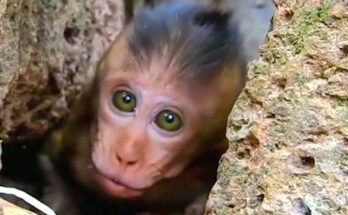
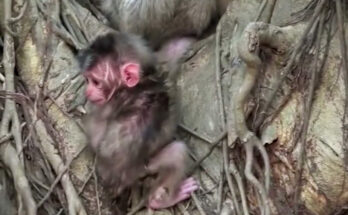
The morning light was still soft when I noticed Sela moving through the lower branches near the western causeway. She was carrying her infant the way most mothers here do — one arm wrapped loosely underneath, the baby clinging to her chest without being held too tightly. That easy closeness is something you see constantly in this forest. It’s almost background noise after a while.
That’s why what happened next stopped me.
Her older daughter, barely four months past weaning, had been following close behind for most of the morning. The little one — I’d been calling her Pip in my notes — kept trying to close the gap. She’d reach up toward her mother’s flank, fingers open, clearly wanting contact. And Sela would shift. Not dramatically. Not with aggression. Just… away. A small lean. A repositioned arm. Enough.
It happened four or five times in under an hour. Each time, Pip would pause, recalibrate, and try again. And each time, Sela would quietly, almost politely, redirect her attention back to the newborn.
To someone watching for the first time, it might look like rejection. Cold, even.
But that’s not quite what this is.
Long-tailed macaque mothers in the Angkor Wat forest face real resource pressures. A nursing newborn demands almost everything — warmth, milk, immune protection, constant positioning. An older sibling, however attached, is now biologically on her own timeline. The mother isn’t withholding love. She’s redistributing survival.
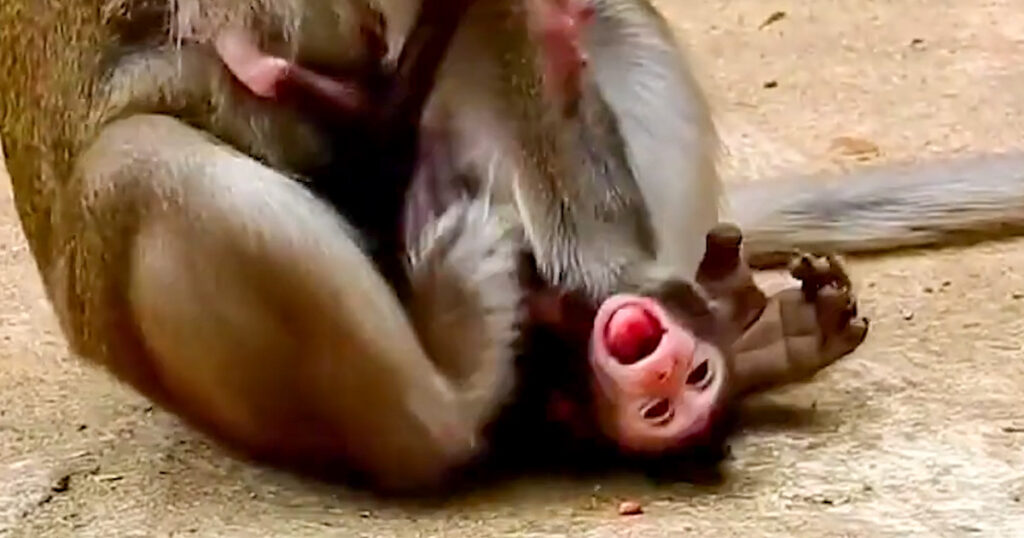
Pip eventually settled about two feet away on a mossy stone. She groomed her own forearm slowly, watching her mother. There was no tantrum, no loud cry. Just that quiet, patient kind of watching that young macaques do when they’re still figuring out where they stand.
By midday, Sela had shifted closer to her again. Not enough for nursing. But enough to touch.
It was brief — a few seconds of contact before the newborn stirred — but Pip leaned into it completely.
Some distances in this forest aren’t permanent. Some are just the shape that love takes when resources run thin and a new life needs everything first.