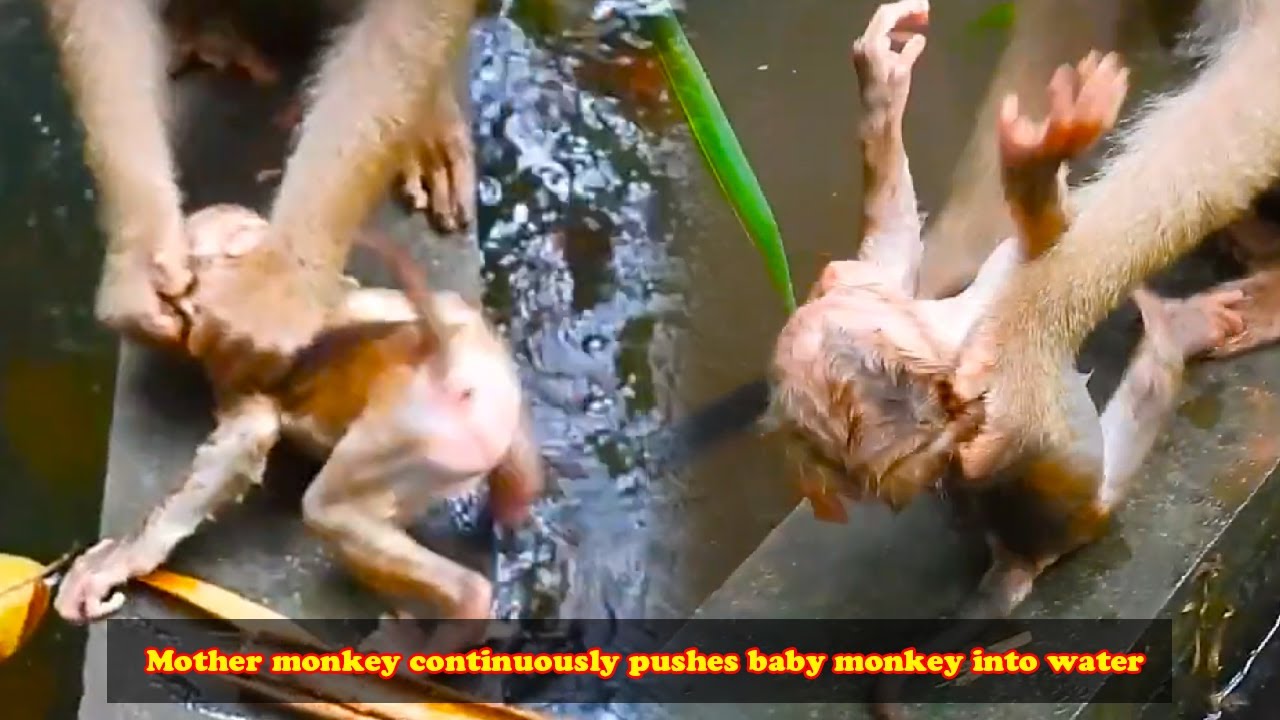
Somewhere near a pool of water, a young macaque named Leo is having a rough day. His mother, Libby, has decided — for reasons known only to her — that Leo belongs in the water. She pushes him in. He climbs out. She pushes him again. The cycle continues, captured in patient detail by a camera that simply observes without intervening.
This scene, shared on the YouTube channel Asian Macaques, is one entry in a much larger archive — a channel dedicated to documenting the everyday lives, relationships, and behaviors of macaque monkeys.
The World of Macaque Documentation
The Asian Macaques channel has built its content library around close observation of individual monkeys. Unlike nature documentaries that focus on sweeping landscapes and dramatic predator-prey encounters, this channel operates on a more intimate scale. It follows specific monkeys, identifies them by name, and records the small, granular details of their social lives.
Libby and Leo are just two members of a broader cast of characters that the channel tracks. By naming individual monkeys and documenting their interactions over time, the channel creates a longitudinal record of macaque social dynamics — one that allows viewers to follow family relationships, hierarchies, and behavioral patterns as they develop.
Macaques and Water
Macaques are among the more adaptable primate species, and their relationship with water varies across populations. Some macaque groups are known for their comfort around water, while others show more hesitation. The Japanese macaque, for example, is famous for bathing in hot springs. Other species interact with water in different ways depending on their environment and individual experience.
In the video featuring Libby and Leo, the pool setting provides a stage for an interaction that may reflect a natural process of acclimation. Young macaques, like many young animals, may need to be introduced to water through experience. Whether Libby’s repeated pushing constitutes a deliberate teaching strategy or some other behavioral impulse is difficult to determine from the footage alone, but the interaction occurs within a broader context of macaque adaptability.
The Role of Channels Like Asian Macaques
YouTube channels focused on specific animal populations have become an increasingly significant source of behavioral observation. While they do not replace formal scientific research, they provide a continuous, publicly accessible record of animal life that can complement academic study.
Channels like Asian Macaques serve multiple functions. For casual viewers, they offer entertaining and accessible glimpses into animal behavior. For educators, they provide illustrative examples of primate social dynamics. And for researchers, they can occasionally capture behaviors that might otherwise go unrecorded in formal field studies.
The Libby and Leo footage is a case in point. The repeated pushing behavior is specific, observable, and documented on video. It can be watched, rewatched, and discussed. Whether it ultimately proves scientifically significant is another matter, but its existence as a documented event adds to the collective record of macaque behavior.
Context Matters
What the video does not show is often as important as what it does. We do not see what happened before the footage begins. We do not know the full history between Libby and Leo. We do not have access to expert analysis within the video itself. The footage is raw, contextual information is limited, and interpretation is left largely to the viewer.
This is both the strength and the limitation of this kind of content. It provides authentic, unfiltered observation, but it does not provide the explanatory framework that a formal documentary or scientific paper might offer. Viewers bring their own knowledge, biases, and assumptions to the footage, and those shape how the behavior is understood.
A Growing Archive
The Libby and Leo clip is one video among many on the Asian Macaques channel. Taken individually, each video is a snapshot — a brief window into a moment in time. Taken together, the channel’s body of work represents something more substantial: a growing, informal archive of macaque life, built one observation at a time.
And in that archive, Libby’s persistent poolside parenting will remain a notable entry — a small, vivid scene that reveals just how complex and compelling the social lives of macaques can be.
Source: “Mother monkey Libby keeps pushing her son Leo into the pool” — Asian Macaques, YouTube. Video URL: https://www.youtube.com/watch?v=7S_Pe1CEGg0
Watch the original video →