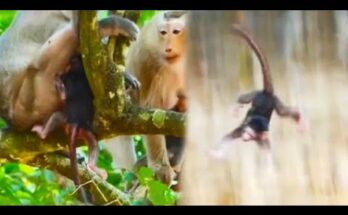
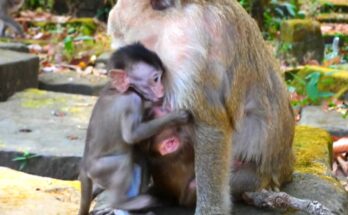
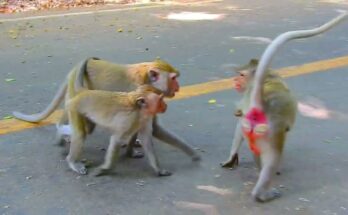
The forest around Angkor Wat wakes slowly. Morning mist moves like breath through the trees, and everything feels older than memory itself.
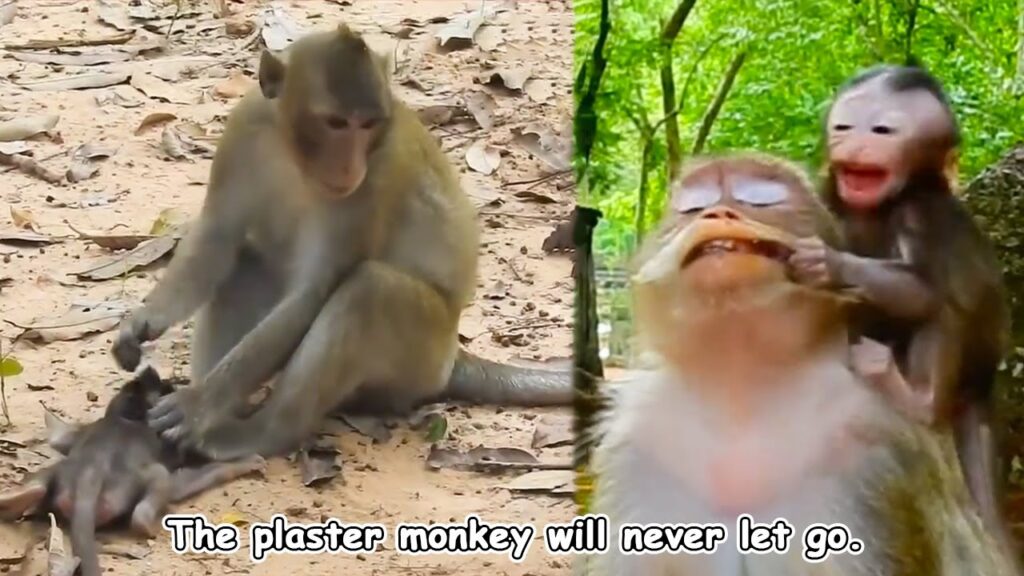
I was walking along a narrow stone path when I noticed it.
At first, I thought it was just a piece of sculpture left behind by a careless visitor—a small plaster monkey resting near the roots of a tree. It looked harmless. Almost decorative. But when I stepped closer, something about it felt… persistent.
The forest was quiet, except for distant birds and the hum of insects. I turned away and continued walking. A few steps later, I felt a strange weight in my thoughts. Not physical. Emotional. Like something unseen was following.
When I looked back, the monkey was still there—but it didn’t feel still.
There’s something about the forest near Angkor Wat that amplifies feeling. The ancient stones hold stories. The air holds silence in a way that makes you confront yourself. That plaster monkey—white, cracked slightly at the ears—felt symbolic. Like the habits we carry. The thoughts we can’t shake. The quiet fears that trail behind us.
I didn’t pick it up. I didn’t need to.
It followed in a different way.
In the U.S., we don’t talk enough about the invisible things we carry—pressure, comparison, guilt, expectations. They attach slowly. We tell ourselves we’re fine. We keep walking.
But sometimes, something small makes us stop and look back.
And in that moment, we realize it isn’t about the monkey at all.
It’s about what we’ve allowed to cling to us.
I stood there longer than I meant to. The forest light shifted. The monkey didn’t move—but it didn’t need to. Its presence had already done its work.
Eventually, I walked on.
But the feeling lingered.