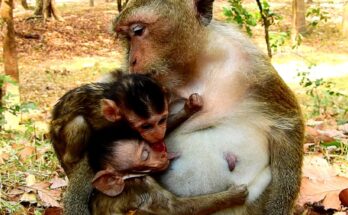
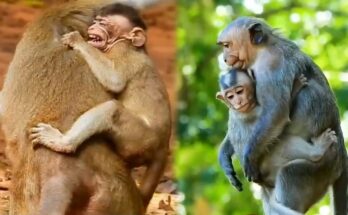
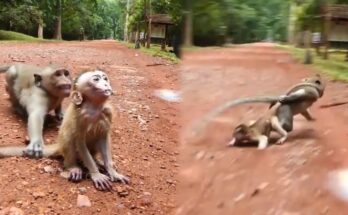
The late afternoon light fell gently across the ancient stones of Angkor Wat, casting long shadows across the forest floor. That was when I first noticed him—David, a small monkey with wide, searching eyes.
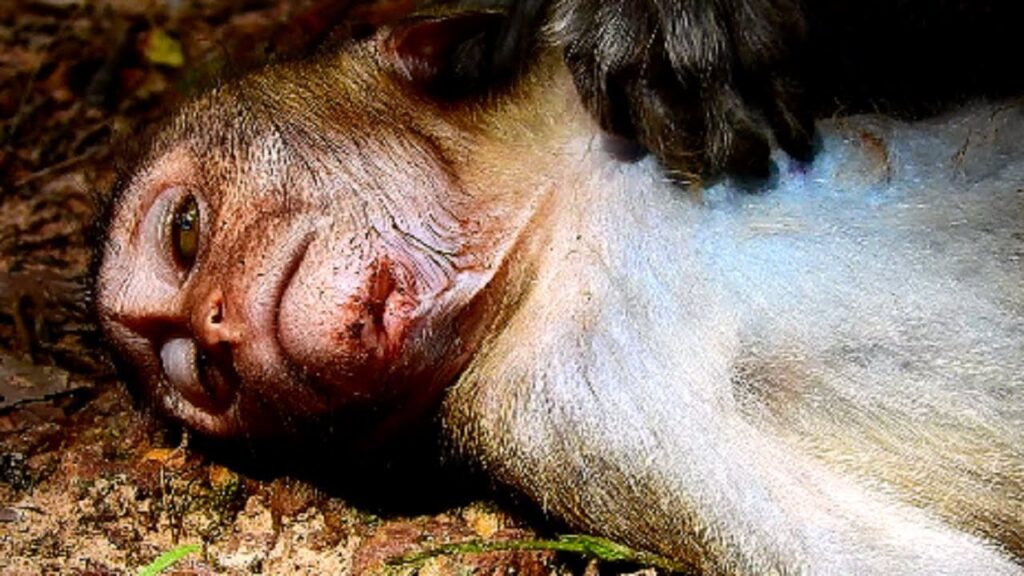
He couldn’t have been more than a few months old.
David sat slightly apart from the others, watching the troop move through the trees. He looked unsure, as if still learning how to belong in a world that moved quickly around him.
At one point, he approached an older monkey—perhaps his mother, perhaps a caretaker. He reached forward hesitantly, hoping for comfort or reassurance.
But the adult shifted away.
Not harshly. Not cruelly. Just firmly enough to create space.
David paused. He looked confused for a moment, then quietly sat back down.
Standing there beneath the towering silhouette of Angkor Wat, I felt that familiar ache—the instinctive desire to step in, to offer help, to somehow make things easier for him.
But the forest has boundaries.
Wildlife here survives by instinct, hierarchy, and natural order. Human interference, even when driven by compassion, can disrupt fragile social structures.
So I stayed still.
David eventually climbed onto a low branch and watched the others. After several minutes, a younger monkey approached him. They touched briefly—small hands meeting in quiet connection.
It wasn’t dramatic.
It was subtle.
But it was enough.
As Americans, we’re raised to act when we see vulnerability. We’re taught to help, to fix, to comfort. Watching David reminded me that sometimes the most respectful form of care is restraint.
He wasn’t abandoned.
He was learning.
Later, I saw him attempt to follow the troop again—this time with more confidence. He stumbled once, regained his footing, and kept going.
That small moment carried weight.
The forest doesn’t offer guarantees. It offers lessons.
And as much as my heart wanted to intervene, I understood something important that day:
David’s path isn’t mine to control.
All I could do was witness.
And quietly wish him strength.