The morning light filtered gently through the tall trees surrounding Angkor Wat. The forest felt calm, almost sacred, as if nothing harsh could ever happen beneath those ancient stone towers.
But life in the monkey world is rarely as peaceful as it looks from a distance.
I was standing near the temple’s outer wall when I noticed the troop gathering on a patch of warm stone. Mothers held their babies close. Young monkeys chased one another in short, playful bursts. And then he arrived — the dominant male, often called the “Monkey King” by locals and visitors.
He moved with confidence. Slow. Certain. The others noticed immediately.
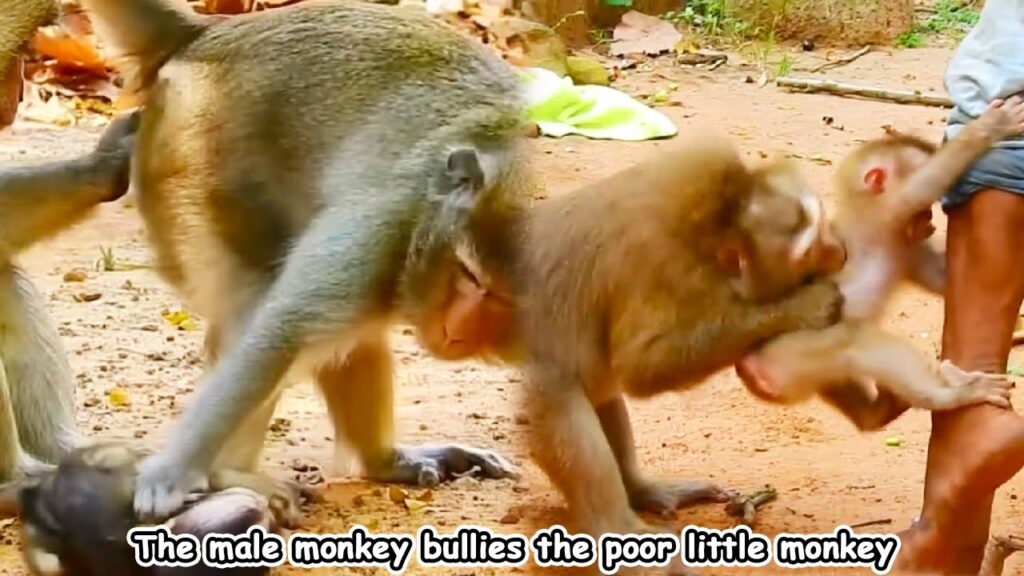
At first, nothing seemed unusual. But then tension shifted in the air. One infant, barely steady on its tiny legs, wandered a little too close. What happened next wasn’t loud or dramatic. It was quick — instinctive. The dominant male lunged, asserting control in the only way nature has taught him.
The mother reacted instantly, pulling her baby close. The troop scattered, then regrouped at a cautious distance. No one challenged him. No one could.
In that moment, I realized something that many visitors never see: survival here isn’t gentle. Leadership in the wild comes with pressure, rivalry, and constant defense of status. For the babies, even play happens under watchful eyes.
The forest grew quiet again, but the calm felt different. The mothers held their infants tighter. The dominant male sat alone for a while, scanning his kingdom.
It’s easy to humanize these animals — to imagine fairness, kindness, or shared rules. But their world runs on hierarchy, instinct, and survival.
And yet, there was something deeply emotional about it.
The baby monkey eventually returned to cautious play. The mother never strayed far. Life resumed, as it always does in the Angkor Wat forest.
Not peaceful. Not cruel. Just real.