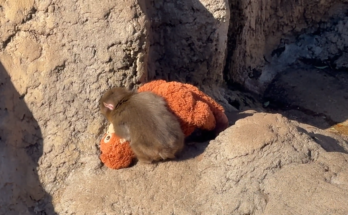
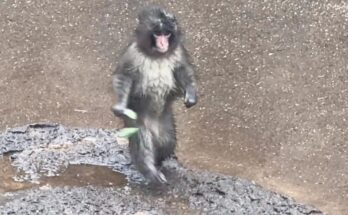
It was a quiet morning in the sprawling forests surrounding Angkor Wat, 28 November 2025. The air was filled with the earthy scent of moss, damp soil, and the faint perfume of blooming flowers. Sunlight filtered softly through the dense canopy, casting dappled patterns on the stone ruins below. Amid the ancient trees and timeworn temples, a small drama of life was unfolding — one that made me pause and hold my breath.
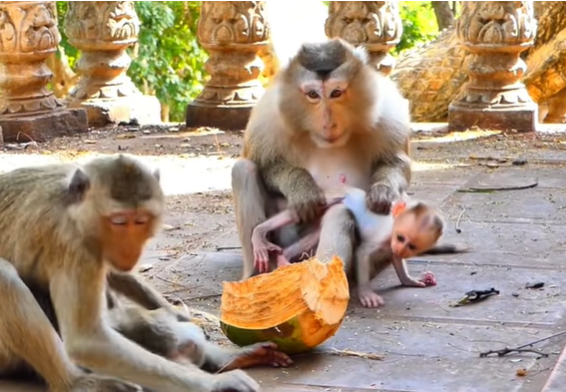
Two little monkeys, barely old enough to walk steadily, tumbled together on the forest floor. Their tiny hands clutched each other in a playful tussle, squeaks of delight escaping their mouths as they rolled over fallen leaves and twigs. Nearby, another baby monkey clung gently to her mother, peeking curiously at the playful scene, eyes wide with innocent wonder.
Watching them, it struck me: these baby monkeys were just like children. No worries beyond the next game, no thoughts beyond the next laugh or cuddle. They pounced and wrestled, their soft fur brushing against the rough stone and fallen branches, while their mother sat patiently nearby, allowing them space to explore the world safely.
At one point, the two siblings paused, their faces glistening with sunlight and the sparkle of curiosity. One reached for the other’s hand, not out of need, but as an unspoken invitation to continue the game. Meanwhile, the baby with her mother ventured closer to the action, her tiny feet padding softly on the ground, hesitant but drawn irresistibly by the laughter and energy of her peers.
It reminded me, in a very human way, of childhood afternoons I had long forgotten — running barefoot through grassy fields, calling to siblings to join a game, the simple joy of imagination and movement. In that moment, centuries of history seemed to blur. Around us stood stone temples built by kings, moss‑covered ruins whispering tales of devotion and labor. And here, amid it all, life continued in its purest, most unfiltered form: joy, curiosity, connection.
Their mother, ever watchful, would occasionally stretch a protective arm toward her child, or nuzzle her gently, a silent message: “I’m here. Play freely, explore safely.” It was a beautiful balance between freedom and security — a lesson in love, trust, and care. The baby responded with soft squeaks and gentle touches, her tiny hands reaching instinctively for the warmth of her mother’s fur.
The forest seemed to acknowledge their play. Birds chirped in harmony with their laughter, leaves rustled as if whispering encouragement, and the sun cast golden streaks over the scene, spotlighting this moment of pure innocence. Every jump, every tumble, every curious glance was a reminder of life’s simple joys, often overlooked amid human preoccupations.
I captured a few stills with my camera, careful not to disturb them. The images would later serve as a frozen testament to that day: two little monkeys wrestling, a third with her mother, sunlight glinting in their eyes, the ancient stones of Angkor Wat silently witnessing the fleeting moment.
By the time the sun climbed higher, the play session had slowed. The siblings nestled together under a low tree root, exhausted but content. The baby with her mother curled against her warm chest, eyes heavy with sleep. And I, a mere observer, felt an unexpected swell of gratitude — for being present, for seeing life’s delicate threads woven so effortlessly into the fabric of the forest, and for witnessing the universal language of love and play that transcends species.
It’s a memory I carry with me — one that reminds me of the importance of pause, observation, and empathy. Whether it’s in the bustling streets of a city or the quiet shadows of an ancient temple, moments like this teach us what really matters: connection, care, and the uncontainable joy of being alive.