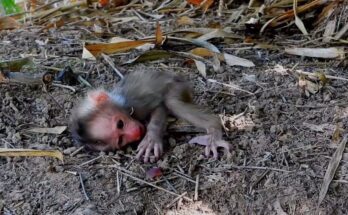
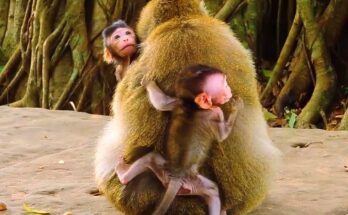
I still see her — a young mother, drenched in the monsoon rain, sitting beneath ancient trees in the forest around Angkor Wat. Her clothes cling to her skin; her hair is damp, heavy. She holds her newborn baby close, cradling him with trembling arms, as raindrops pelt down like a sorrowful lullaby.
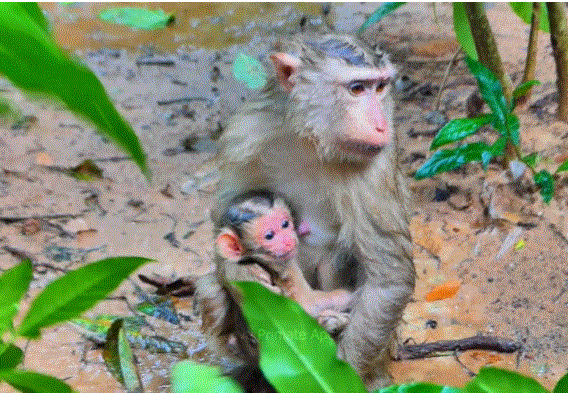
I came upon her late in the afternoon, when the sky was a wash of slate gray, and the air smelled of wet earth and moss. At first, I thought she was a lost traveler; but then I noticed the soft coos of an infant, the fragile way she rocked her child. There was no umbrella, no shelter — just her, him, and the ceaseless rain.
She looked up at me with sorrow in her eyes. I asked if she needed help. She shook her head gently, as though embarrassed, or simply resigned. She whispered that she had nowhere to go — that life back in the nearby village made no room for her and her baby. The rain had forced her into the forest; the forest, with its towering stone ruins and twisted roots, was her only refuge.
Lightning flashed in the distance, illuminating the ancient towers of Angkor Wat, their silhouettes etched sharply against the sky. I offered her my jacket to drape around her shoulders, but she refused. She held the baby tighter, pressing him into her chest so he would feel as safe as possible.
As she spoke, her voice trembled. She told me he was just born two days ago, born with a weak cry. He was so small, so fragile. She had walked all night from her village, clutching him, hoping someone would help. But no one did — no shelter, no dry place, no comfort.
I reminded her that help was coming: I would bring blankets, dry clothes, food. She seemed touched, but afraid. Her eyes darted to the ruins behind her, to the mossy stones, as if she feared being chased off or judged. She murmured thanks, and I gently promised to return.
I made my way out of the forest, rain soaking through my shoes, but my mind never left her. I reached out to local aid workers, and soon they arrived with warm water, rice porridge, towels. They set up a temporary canopy of tarpaulin beneath a grove of trees, and spread blankets on the ground. I watched from a distance, heart pounding, as the mother finally allowed someone to wrap her and the baby in dry cloth.
As the rain slacked, she sat under that makeshift shelter, her baby tucked in her arms, eyes half-closed, exhausted. Yet she seemed lighter — as though the weight of the night had lifted, momentarily. She smiled at me, a small, grateful smile, and I felt tears sting my own eyes.
Later, I return to that spot in the forest. The air is damp, but calm. The canopy is still there, thanks to the aid volunteers, and I see her gently humming to her newborn, stroking his head. I can almost hear her voice blending with the whispers of the forest, as if the ancient stones of Angkor are listening, offering their silent strength.
Her story stayed with me on my way home. It haunted me. How many mothers, I wondered, carry their babies through storms — literal and figurative — with nowhere to hide, no one to lean on? How many newborns feel the cold of uncertainty before they even know the world?
I write this now for you, dear reader, because her courage deserves to be seen. Her love — unconditional, unprotected, yet unbroken — is a testament to the resilience of motherhood.
If you’re touched by her story, please consider sharing this article. Maybe together, we can lend her — and others like her — a little bit of that shelter she has not yet known.