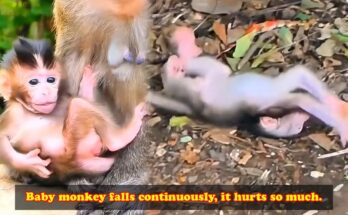
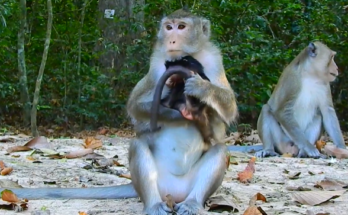
I first saw her just after dawn. In the dim light of the Angkor Wat forest, a small macaque mother cradled her baby tightly against her chest, her eyes heavy with both exhaustion and defiance. The mist curled around the ancient temple stones, wrapping everything in a soft, ghostly hush. It felt as though I’d stumbled into another world — a world where time moves differently, where the forest has its own heartbeat.
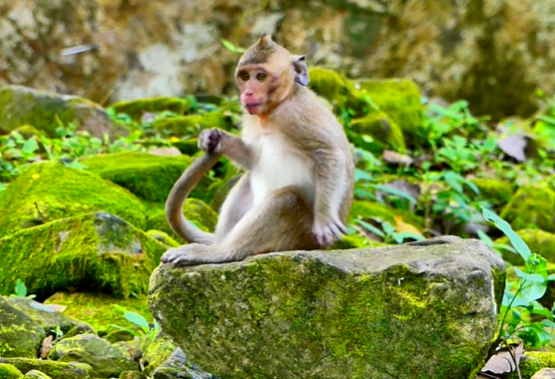
I’d come to Cambodia hoping to see Angkor’s grandeur — the soaring spires, the carved bas-reliefs, the iconic silhouette at sunrise. But what I wasn’t ready for was how much the forest itself would demand to be seen, heard, and felt.
That morning, as the sunlight filtered through the forest canopy, I watched YouTube content creators — cameras in hand — sneaking closer to the macaque troop. At first, I thought they were just nature documentarians. But soon it became clear: they weren’t just observing. They were provoking. Tossing morsels of food, coaxing the monkeys nearer with squeals, laughter, and false comfort. And in return, the monkeys responded: darting forward, grabbing, sometimes even biting. Their eyes gleamed with fear or hunger — I couldn’t entirely tell.
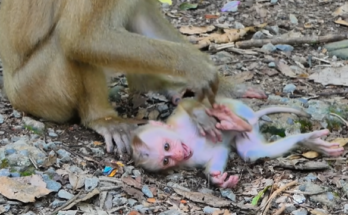
A little further in, a baby macaque clung to a woman’s leg, its tiny fingers digging in as though begging for protection. The woman laughed, lifted it up, put it on her shoulder — and the monkey froze, uncertain. This wasn’t the wild sanctuary I had hoped to see. It was something else. Something staged.
My heart ached. I remembered a report I had read — about how some content creators feed and harass the macaques, just to get viral footage. Fortune+2Philstar+2 The wildness is being commodified. Their natural behavior is changing.
As the day grew warmer, I walked deeper into the forest, near the temple foundations. I could hear the distant cries of monkeys echoing through the ruins. In one clearing, I saw a small group of them huddled around a discarded plastic bottle, remnants from tourists. A teenage macaque picked at it curiously, its voice soft and plaintive as though calling out: why do you leave this here?
In that moment, I felt a connection — a deep, wordless grief. These ancient stones — the same stones that had witnessed centuries of empires rising and falling — were now bearing witness to another kind of change. The forest, the monkeys, the temple: they are not spectacle. They are living, vulnerable beings.
Late in the afternoon, I found an older local guide, Mam Seiha, resting beneath a huge kapok tree. He looked at me, his eyes wise and tired, and said quietly, “These monkeys — they are our brothers and sisters. But people come only to film, not to love. They forget their suffering.”
I asked him what we could do. He sighed.
“Speak for them,” he said. “Just like you are now. Tell people what you felt. Tell them that these are not characters in a video. These are lives.”
I nodded, tears prickling my eyes. I promised him I would tell their story — on my blog, on my website getmonki.info, to anyone who would listen.
That night, I sat under a sky so full of stars I felt small beyond measure. The forest around me hummed softly with the calls of nocturnal creatures, and somewhere, a mother macaque whispered to her child as they nestled together. I closed my eyes, imagining their future: will they still be wild? Will they still trust? Or will the forest become just another backdrop for someone else’s content?
In the silent darkness, I made a vow: I will amplify their cry. Not for clicks, not for fame — but because they deserve to be seen, heard, and respected.