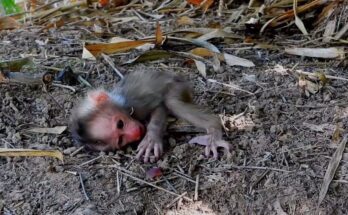
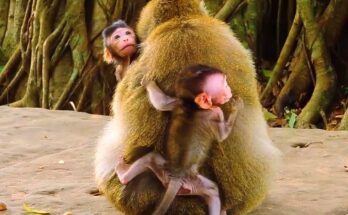
I still remember the morning like a whispered dream — the kind of moment that feels too sacred to be captured, yet too beautiful not to share. In the heart of the Angkor Wat forest, before most visitors even stir, I sat perched on an ancient stone ledge, listening to the slow symphony of dawn. The air was cool, mist curled around mossy temple ruins, and somewhere near me, the gentle ripple of water — like a secret invitation.
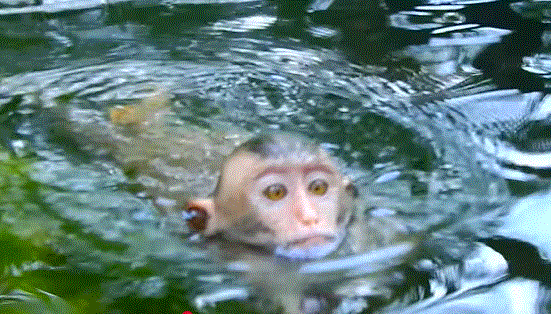
Through a veil of green foliage, I glimpsed a small clearing: a natural pool, its water glowed jade under the early light, framed by temple stones and tall trees. And there, at the edge, was the troop of long-tailed macaques — wild, free, unknowing that they were about to gift me one of the most heart-stirring experiences I have ever witnessed.
One by one, the monkeys slipped into the water. Their fur glistened as they waded in, arms raised like dancers greeting the sun. I held my breath. It felt like time slowed. There was no sound of humans, no chatter — just the soft plashing of little paws against water, and the occasional splash as a young monkey more enthusiastic than cautious jumped in.
Watching them swim was like seeing a long-lost memory of innocence. These were not pets, not performing for a camera — they were wild creatures simply being themselves, delighting in the cool baptism of the pool. A baby macaque clung to its mother’s back, looking up with wide, trusting eyes, while an older sibling paddled beside them, chopping through the water in hesitant but joyful strokes.
Sunbeams pierced through the forest canopy and danced across the emerald surface, making ripples glow like liquid light. The monkeys drifted lazily, some floating like little boats, others diving gently for leaves that had fallen in. Their laughter-like chattering rose in soft waves, a gentle chorus of contentment.
In that moment, I felt my heart stretch wide and soft. I was a stranger in their world, yet somehow, I felt deeply connected — like a fleeting part of their quiet morning ritual. The forest seemed to lean in, as if sharing a secret whispered through centuries of ancient stones and roots.
I remembered why I came to Angkor Wat in the first place: not just for grandeur of temples, but for the raw heartbeat of nature that pulses around them. So many come for the architecture, but so few stay to feel the forest breathe. I stayed. I watched. I felt.
As the monkeys swam, a light breeze carried the sweet, damp scent of moss and stone. Leaves overhead rustled gently, and the air was still enough that you could hear your own breath. I closed my eyes and let the peace wash through me, deeper than any meditation I’d known.
Eventually, they climbed out. One by one, they emerged, shaking themselves dry, flicking water droplets like tiny jewels. Mothers groomed babies; siblings curled together on a sun-warmed rock; a solitary monkey sat, gazing into the water, perhaps seeing its own reflection, or perhaps just lost in thought.
I whispered a soft “thank you” to the forest, and to them. I felt humbled, honored to be a witness. I felt my own troubles fade, replaced by a quiet joy and a profound sense of belonging.
That morning, I carried their calm with me — the gentle rhythm of their swimming, the shimmer of green water, the laughter of wild hearts at ease in their world. Back in the bustle of life, I replayed the scene in my mind, time and again, and each time, it healed something in me.