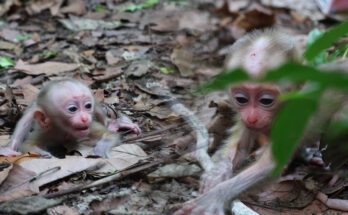
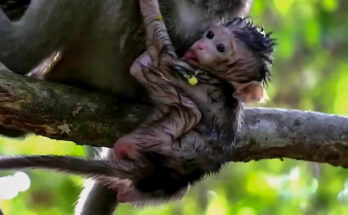
It started as an ordinary afternoon in the forest near the southern causeway of Angkor Wat. A troop of about fifteen macaques was working its way through the trees — the usual chaos of juveniles tumbling over each other, elders watching from higher branches with practiced indifference.
Then things got quiet.
A young female had climbed down to a low branch and wasn’t moving well. Her breathing was visible from where I stood. The older females in the troop began circling closer — not aggressively, but with what I can only describe as attention. They watched her. A few groomed her back gently.
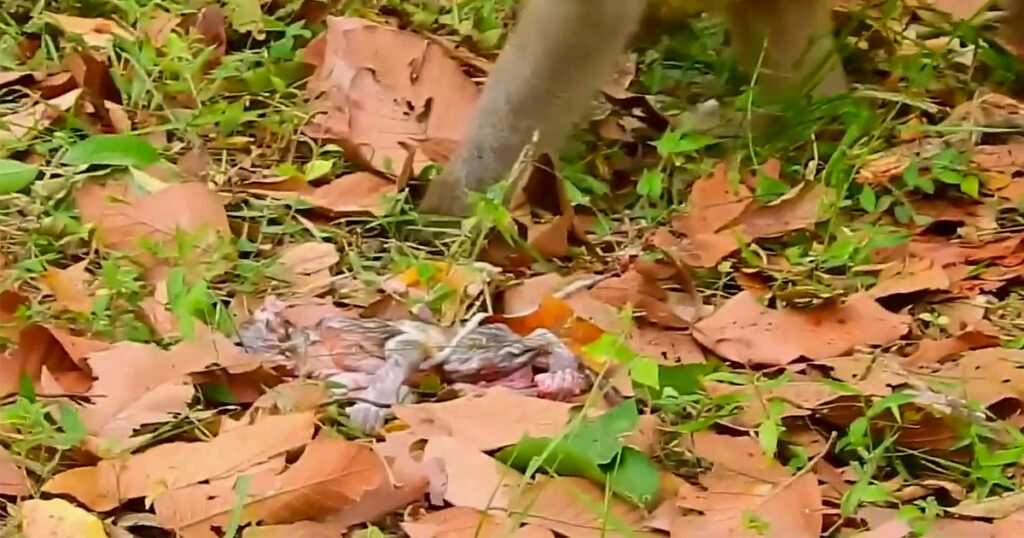
What happened over the next forty minutes was something I keep returning to. The troop didn’t leave. Juveniles that had been playing loudly moments before settled nearby, almost as if someone had asked for quiet. One elder male sat at the base of the tree for a long stretch of time, looking upward.
Primatologists who study Southeast Asian macaques note that troop cohesion during moments of vulnerability is one of the most consistent behaviors observed in the species. They don’t simply move on. They wait.
In the oldest forest in Cambodia, they waited.