Before the age of smartphones, the camera was a gatekeeper. What the world saw depended entirely on who happened to be credentialed, employed, and present. Wars, disasters, quiet everyday tragedies — these were filtered through editors, broadcast schedules, and institutional decisions about what was newsworthy enough to share. Then the gates came down.
The Democratisation of Witness
Today, anyone with a phone and a connection can document what they see and share it with the world within seconds. This shift has fundamentally changed the relationship between events and audiences. No longer does a moment need to be deemed important by an institution for it to reach people. It simply needs to be real — and someone needs to be there to capture it.
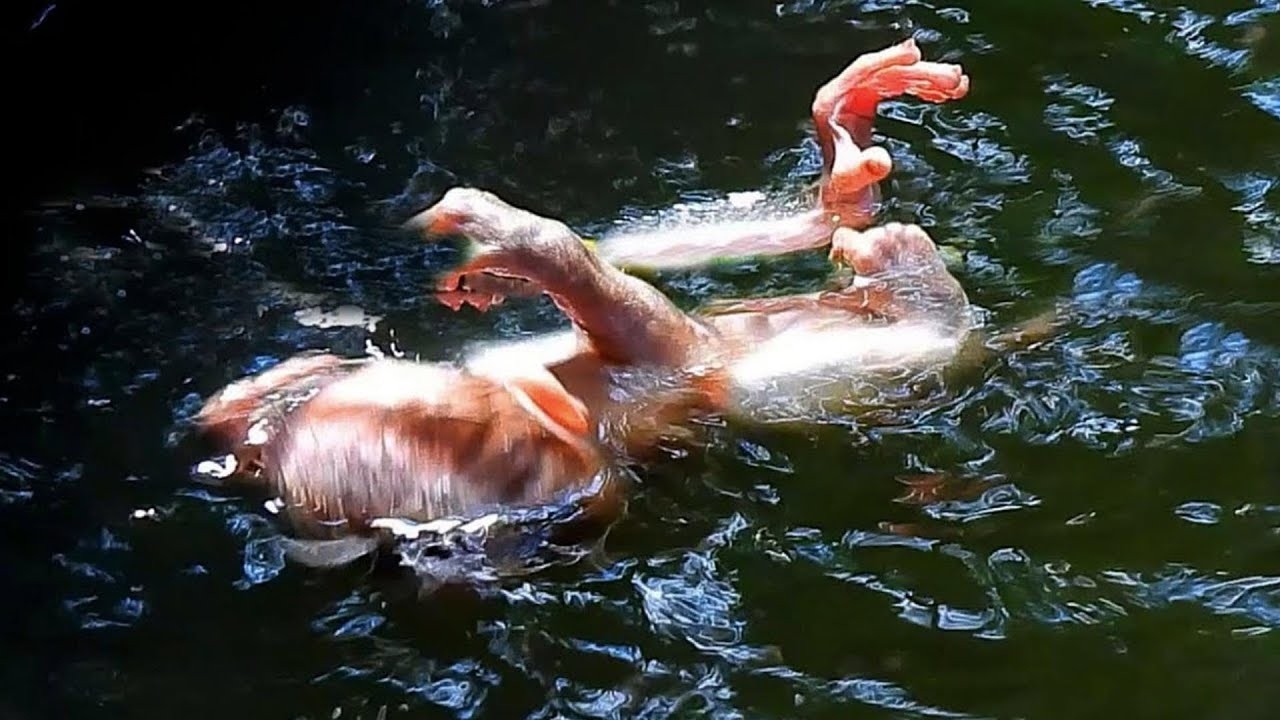
King Sakiriya Nuth, a YouTube channel that recently shared a video titled with an urgent, heartfelt plea — describing its contents as deeply sad and troubling — represents exactly this kind of grassroots witness journalism. There is no bureau, no budget, no editorial board. There is only a person who saw something that affected them deeply and made the instinctive decision to share it.
What Grassroots Footage Tells Us That Polished News Cannot
There is something that mainstream journalism, for all its strengths, often struggles to convey: the texture of a moment. The way grief sounds when nobody is performing for the camera. The way distress looks when there is no time to compose a shot. Professional news gathering, by its very nature, introduces a layer of mediation between event and audience. That mediation is often valuable — it provides context, verification, and ethical oversight. But it also, inevitably, smooths some of the rawness away.
Eyewitness footage shared by ordinary creators does the opposite. It arrives unmediated, unfiltered, and frequently imperfect in every technical sense while being remarkably perfect in its emotional honesty. When a creator like King Sakiriya Nuth titles a video as a cry for help and a declaration of sadness, there is no communications strategy behind those words. They are simply true.
The Broader Landscape of Citizen Documentation
The phenomenon is global and growing. From communities in Southeast Asia to townships in Africa, from rural villages to dense urban centres, people are reaching for their phones when something happens that they feel the world should know about. Sometimes these videos document injustice. Sometimes they capture natural disasters. And sometimes — perhaps most movingly — they document the kind of quieter, more personal tragedies that would otherwise pass entirely unnoticed by the wider world.
These moments matter not because they always lead to action, and not because they always reach millions of viewers. They matter because they insist, against the relentless forward momentum of the news cycle, that this happened, and that it deserves to be seen.
The Responsibility That Comes With Watching
Of course, the democratisation of witness comes with its own complexities. When anyone can share anything, questions of context, consent, and accuracy become critically important. Viewers bear a responsibility, too — to approach raw footage with care, to resist the urge to share indiscriminately, and to remember that behind every difficult video is a real situation involving real people whose dignity deserves protection.
But when those responsibilities are honoured, eyewitness footage can serve a profoundly important purpose. It keeps us connected to the reality of human experience beyond our immediate surroundings. It refuses to let distance become indifference. And it reminds us, again and again, that the world is full of moments worth pausing for — moments that no algorithm fully anticipated, no editor commissioned, and no institution arranged.
They simply happened. And someone was there, phone in hand, unwilling to look away.
Source: King Sakiriya Nuth, YouTube. Video titled “No way please help!! this is so sad and terrible.”
Watch the original video →