When a short video of a baby monkey falling into water and struggling to stay afloat surfaced on YouTube, it did more than capture a fleeting moment of peril. It ignited a broader conversation among viewers about the safety and welfare of young primates living in environments where natural hazards are part of everyday life.
The Video That Sparked Concern
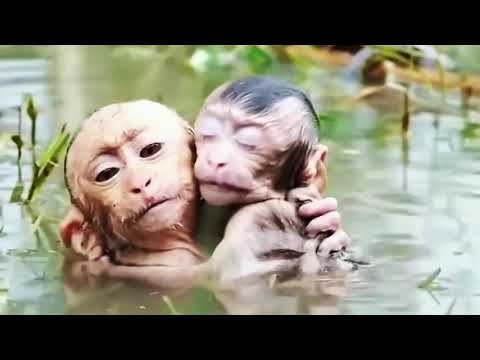
Uploaded by the YouTube channel Dengta82, the footage shows a young monkey slipping into a body of water. The animal, clearly too young and too small to handle the situation easily, is seen flailing as it attempts to keep its head above the surface. The title of the video, written in Indonesian, translates to a somber description: a baby monkey falling and becoming submerged in water.
For many who encountered the clip online, the immediate reaction was one of concern. Comments and reactions centered on the young animal’s well-being, with viewers expressing hope that the monkey was eventually pulled from the water or managed to escape on its own.
Why Viewers Respond So Strongly
There is a well-documented psychological phenomenon behind why footage like this resonates so deeply with human audiences. Young animals, particularly primates, trigger what researchers call a “nurturing response” — the same instinct that makes humans protective of infants and small children. A baby monkey’s large eyes, small frame, and obvious distress activate empathy in a way that few other types of wildlife footage can.
This is not merely about sentimentality. The response speaks to a genuine and growing public interest in animal welfare, particularly as more wildlife content becomes accessible through platforms like YouTube. Viewers are no longer passive consumers of nature footage; they are active participants in conversations about what they see and what responsibilities humans may have toward the animals depicted.
The Broader Welfare Question
The video raises an important question that extends well beyond this single incident: what are the risks that young primates face near water, and how common are these types of accidents?
Primatologists have documented that juvenile monkeys, particularly macaques and other species that inhabit areas near rivers, ponds, and temple pools, face elevated risks of drowning. Unlike adult monkeys, which often develop sufficient strength and coordination to handle water crossings, young primates lack these survival skills. Their tendency to follow adults or explore independently can lead them into dangerous terrain before they are physically prepared.
In some managed habitats — such as temple grounds or wildlife reserves where monkeys interact with human-made water features — these risks can be even more pronounced. Artificial pools, fountains, and drainage channels may lack the gradual banks that natural water sources often provide, making it harder for a small animal to climb out once it falls in.
What This Means for Audiences
For the average viewer scrolling through social media, a video like this is more than content to be consumed and forgotten. It is a data point in a larger awareness about how animals live, what dangers they face, and how human infrastructure sometimes intersects with wildlife habitats in ways that create unintended risks.
The footage from Dengta82 does not sensationalize the moment. It simply records what happened — a young monkey in distress in the water. But the impact of that straightforward documentation is significant. It asks viewers to pay attention, to care, and perhaps to think more carefully about the environments where animals and humans coexist.
Moving Forward With Awareness
Videos like this one serve a dual purpose. They inform and they provoke reflection. While it is impossible to prevent every accident in the natural world, increased awareness of the hazards that young primates face can inform better management of shared habitats. Whether that means modifying water features in areas where monkeys congregate or simply fostering greater public understanding of primate behavior, the conversation matters.
The baby monkey in this footage may be anonymous, but its brief struggle in the water has given it a voice — one that speaks to the fragility of young life and the importance of paying attention to the world we share with other species.
Source: Video by Dengta82 on YouTube — https://www.youtube.com/watch?v=Z6IaT4OhS3g
Watch the original video →