There are moments in the forest that feel almost ceremonial, even when no one plans them that way. This was one of those moments. Lily arrived first, her movements light, her attention fully focused ahead. Leo followed, measured and watchful, already aware that something new had entered their world.
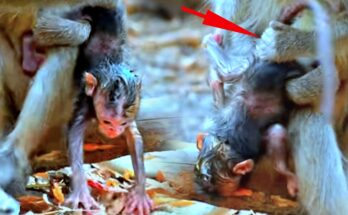
The newborn was barely visible at first, tucked closely against its mother. Only the soft rise and fall of breathing gave it away. Lily noticed immediately. She slowed, lowering herself onto a branch nearby, eyes wide not with excitement, but with care.
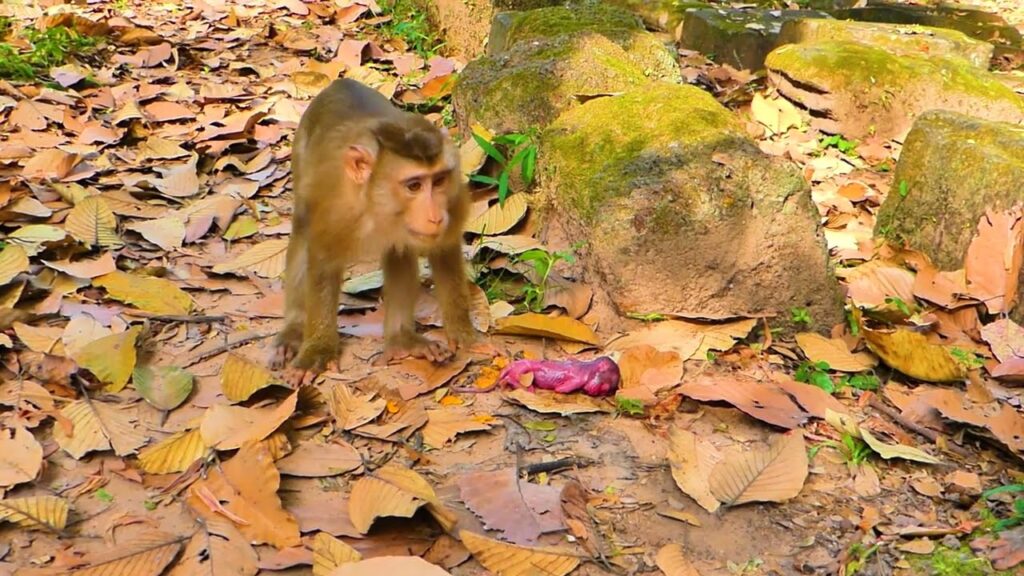
She reached out once, then stopped herself. The pause said everything. This was not a moment to rush.
Leo positioned himself slightly behind her, offering silent support. He didn’t pull her back or push her forward. He simply stayed close, reminding her she wasn’t alone as she navigated something unfamiliar.
The mother watched them with steady calm. Her body language was relaxed, confident. She shifted slightly to keep the newborn comfortable, signaling that this visit was allowed—so long as it remained gentle.
Lily studied every detail: the tiny face, the slow movements, the way the forest itself seemed to soften around them. For a brief instant, the newborn stirred, and Lily leaned back instinctively, giving space without being told.
It was a lesson learned without words.
Sunlight moved slowly across the leaves above, casting soft patterns that changed with every breath of wind. The forest held its silence, as if honoring the exchange. Even Leo seemed different—less alert, more reflective.
After a while, Lily stood. She took one last look, committing the moment to memory, then turned away. Leo followed, their departure as quiet as their arrival.
The newborn slept on, the mother settled, and the forest continued—unchanged, yet somehow deeper. These small encounters don’t announce themselves, but they shape how young monkeys understand their world.
And in the Angkor forest, that understanding begins early.